

Independent economic intelligence for the Himalayan region.
HEF tracks the capital, energy, trade, and infrastructure decisions reshaping the region where Asia's two largest economies meet, turning six separate national stories into one coordinated, investable view.
As of Sep 28, 2026View tracker →
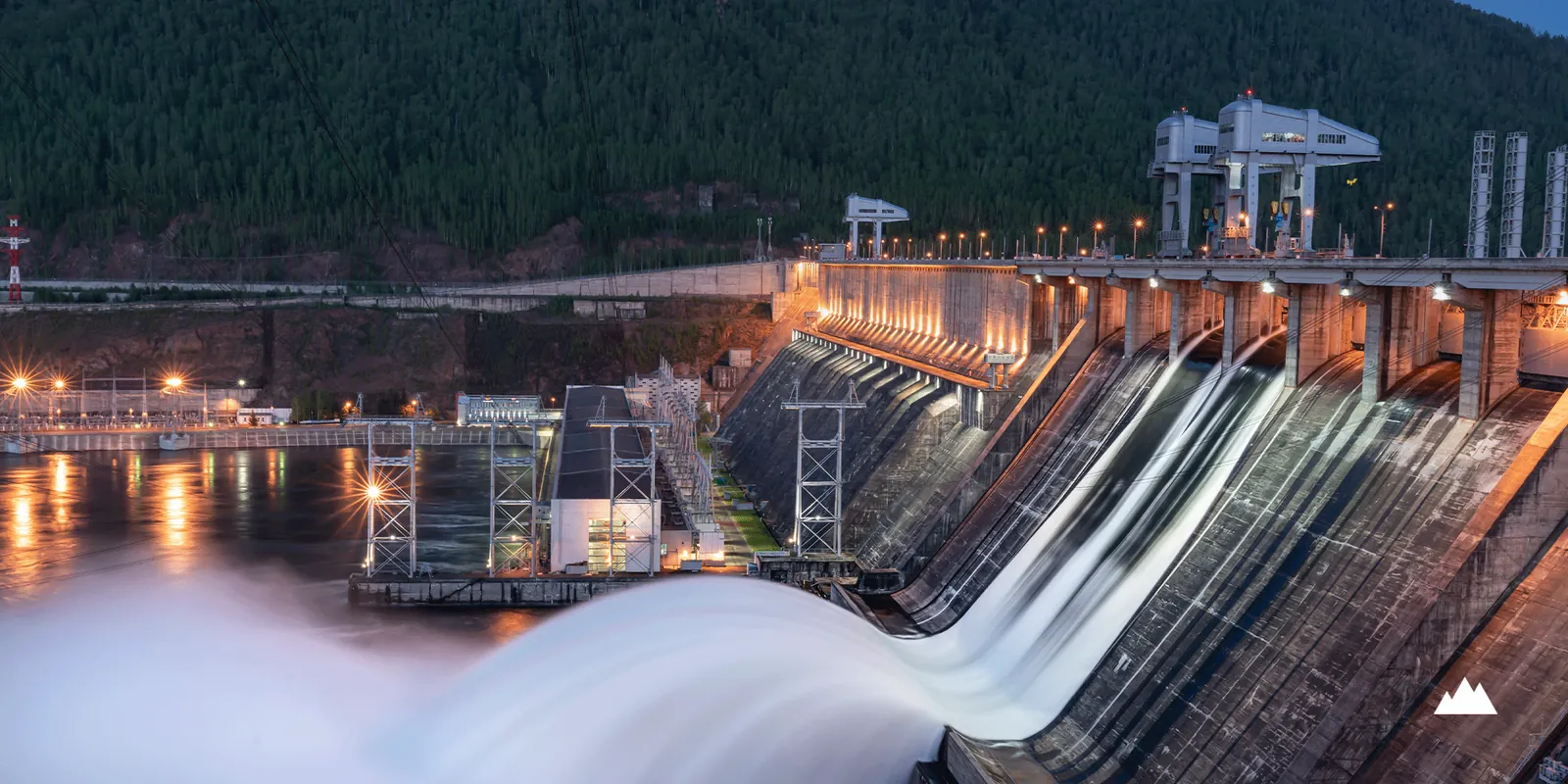
14 plants on the Trishuli–Bhotekoshi corridor · 484.1 MW hit in both events
Last updated Aug 8, 2026 · data as of Aug 1, 2026
Refresh pending— last verified 8 August 2026, which is older than this record’s review intervalSource: Central Electricity Authority of India (2024); China Energy Portal (2024); IRENA, Hydropower Potential in South Asia (2023)HEF estimate 8 August 2026source links pending
As of Aug 1, 2026View tracker →
Source: CSIS, Himalayan Connectivity Brief (2023); Asian Development Bank, Cross-Border Trade Corridors in South Asia (2024); Union Budget 2026-27, Government of India; MoSPI Project Monitoring Flash Report (January 2026)HEF estimate 8 August 2026source links pending
As of Aug 1, 2026View tracker →
Source: IRENA, Hydropower Potential in South Asia (2023); Ministry of Power, India (2024); China Energy Portal (2024)HEF estimate 8 August 2026source links pending
The analysis behind the data.
Essays, research and briefs.

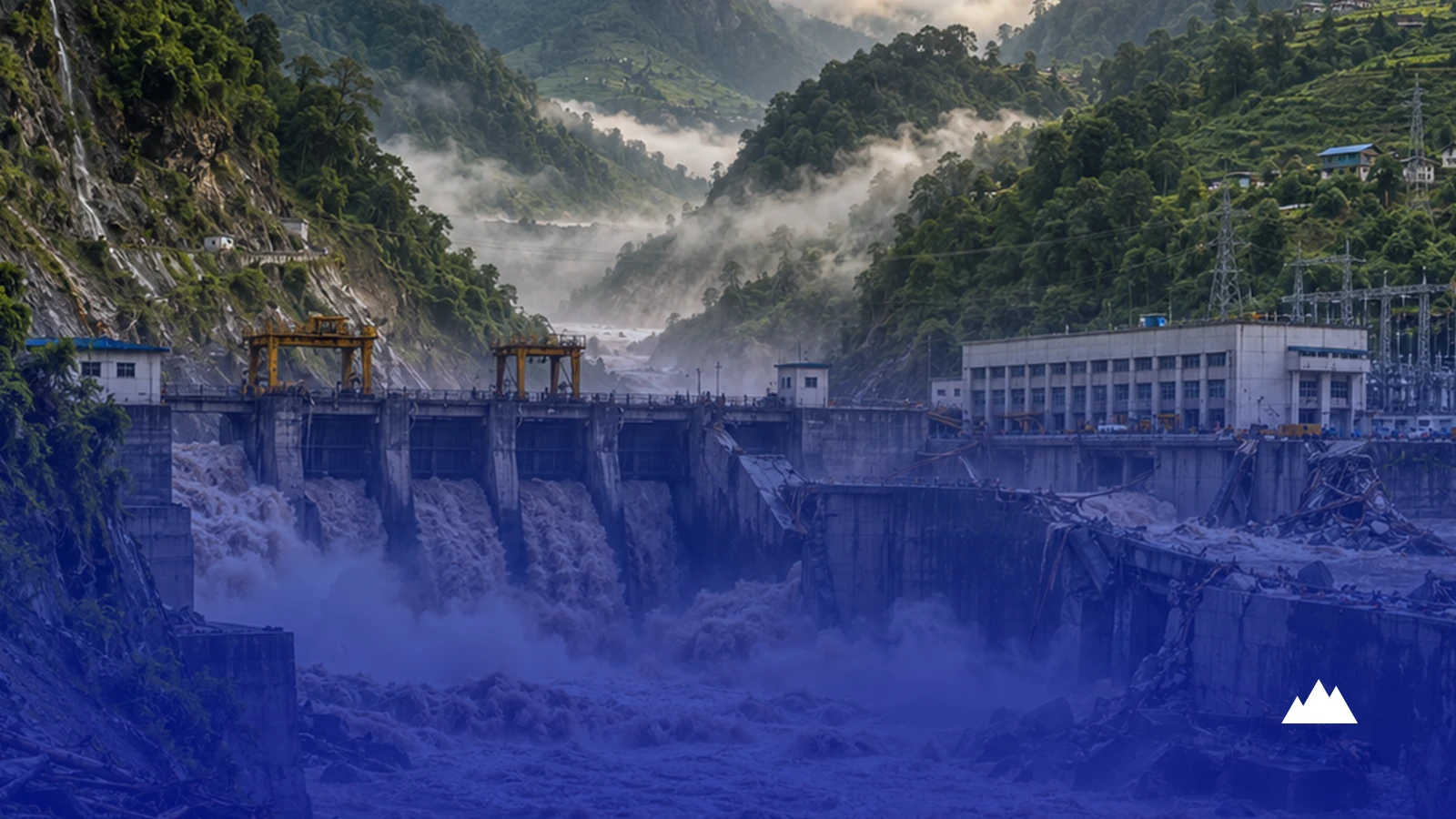



Financing the $80 Billion Gap
A launch conversation on why Himalayan infrastructure is Asia's highest-return, most underfunded frontier — and what it would take for capital to catch up.
Every tracked project, on the map.
Hover a point for the project and its headline figure. Click through to the full entry — sourced, cited, and kept current.
Six sectors reshaping the mountain economy.
$23.8–26.5B in publicly reported capital across 9 of these projects. Open the Capital Tracker →
500 GW of potential. 22% of it built.
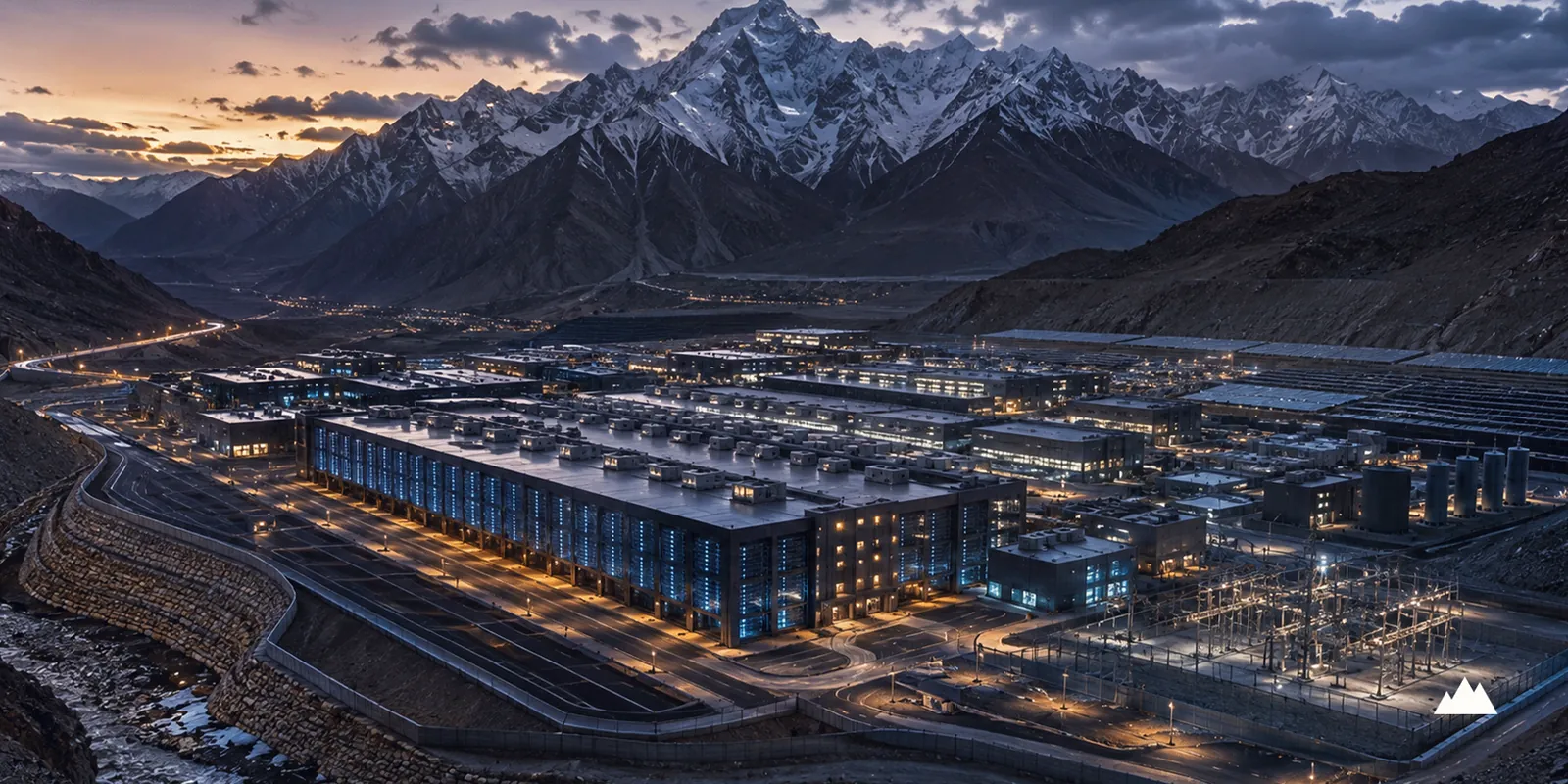
The Himalayas hold the largest untapped hydropower resource in Asia. What turns it into an economy is not the water — it is who finances the turbines, and who owns the wire out.
22%
Of the region's 500 GW hydropower potential currently tapped
Built to sell to India
Hydropower is Bhutan's principal export and its deepest economic tie to India. New capacity here is financed against a buyer that already exists.
From shortage to surplus
Multilateral lenders are financing the storage and run-of-river capacity that moves Nepal out of chronic deficit and into a position to export.
The buyer that makes it bankable
India runs the region's largest Himalayan pipeline and is the demand centre its neighbours build against. Its offtake is what turns their potential into financeable projects.
Generation is half the system. The wire decides the buyer.
Capacity without a cross-border line is a stranded asset. Who builds the interconnector determines which grid the power ends up on.
A curated directory of publicly reported projects, not a census of the sector — capacity figures are per project and are not summed. Each entry carries its own sources and verification date. Utilization figure: IRENA, Hydropower Potential in South Asia (2023); Ministry of Power, India (2024); China Energy Portal (2024).
Five signals investors should watch across the mountain economy.
Exposed: Agriculture · Hydropower · Cities
Glaciers
Severe−12% glacier area since 1990
Source: not yet recorded
Exposed: Water · Energy · Tourism · Settlements
Landslides
HighElevated monsoon hazard
Source: not yet recorded
Exposed: Roads · Rail · Power · Real Estate
Extreme Rainfall
High12–20 cm / 24h, Uttarakhand
Source: not yet recorded
Exposed: Cities · Tourism · Logistics · Agriculture
Infrastructure
High>$6B disaster losses
Source: not yet recorded
Exposed: Public Capex · Insurance · Projects · Supply Chains
$245M
New Himachal climate-resilience programme.
Risk is rising. Capital is adapting. Source: HEF Risk Monitor compilation from regional hydro-meteorological and disaster-loss reporting.
Six domains. One connected system.
Water and climate, energy, trade, infrastructure and capital, technology, and geoeconomics — each carrying a live indicator, its most recent intelligence, and its linked projects. Not a topic list. The actual system HEF observes.

The evidence behind every figure on this page.
- Himalayan Hydropower Hazard Tracker
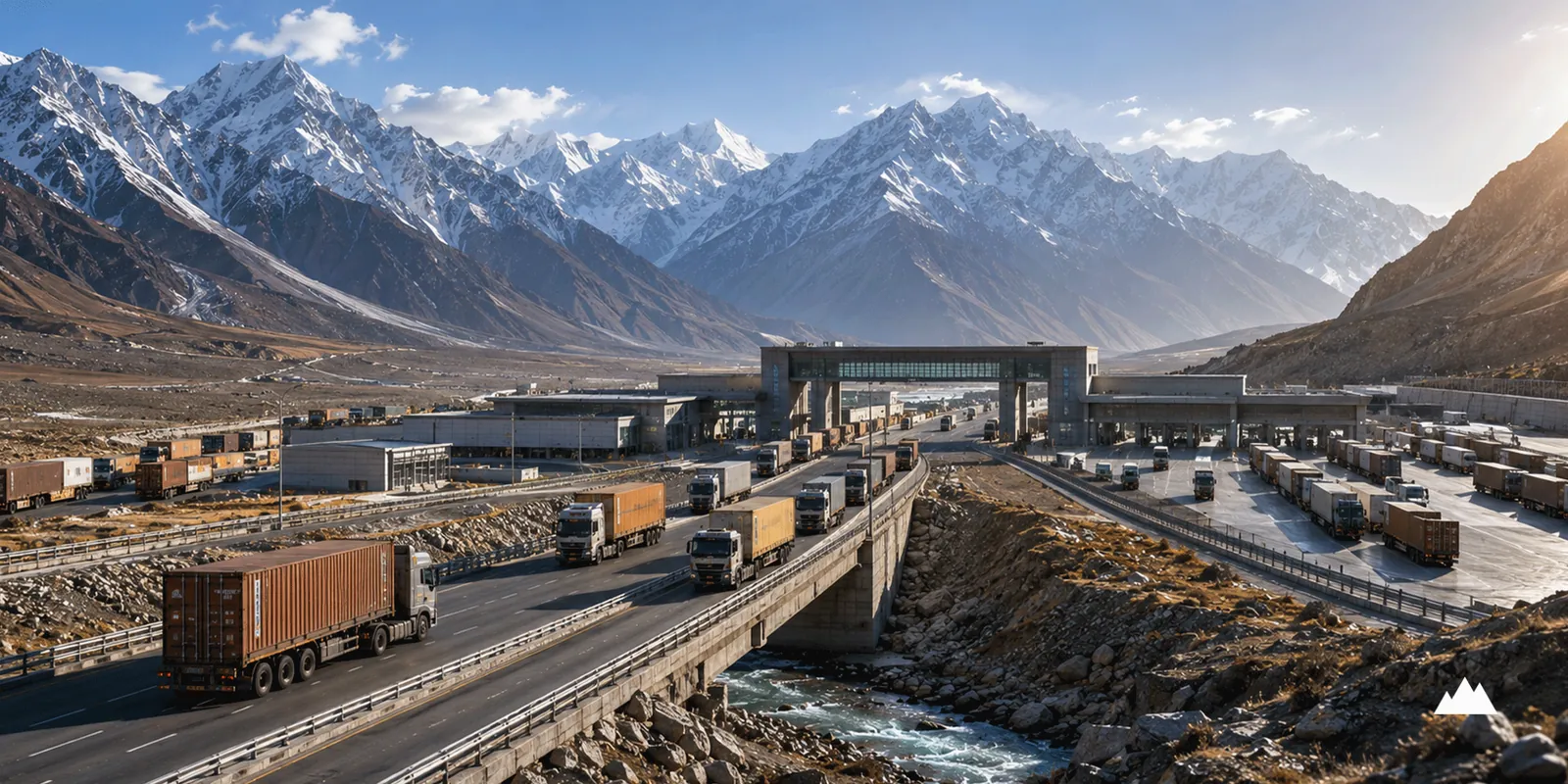
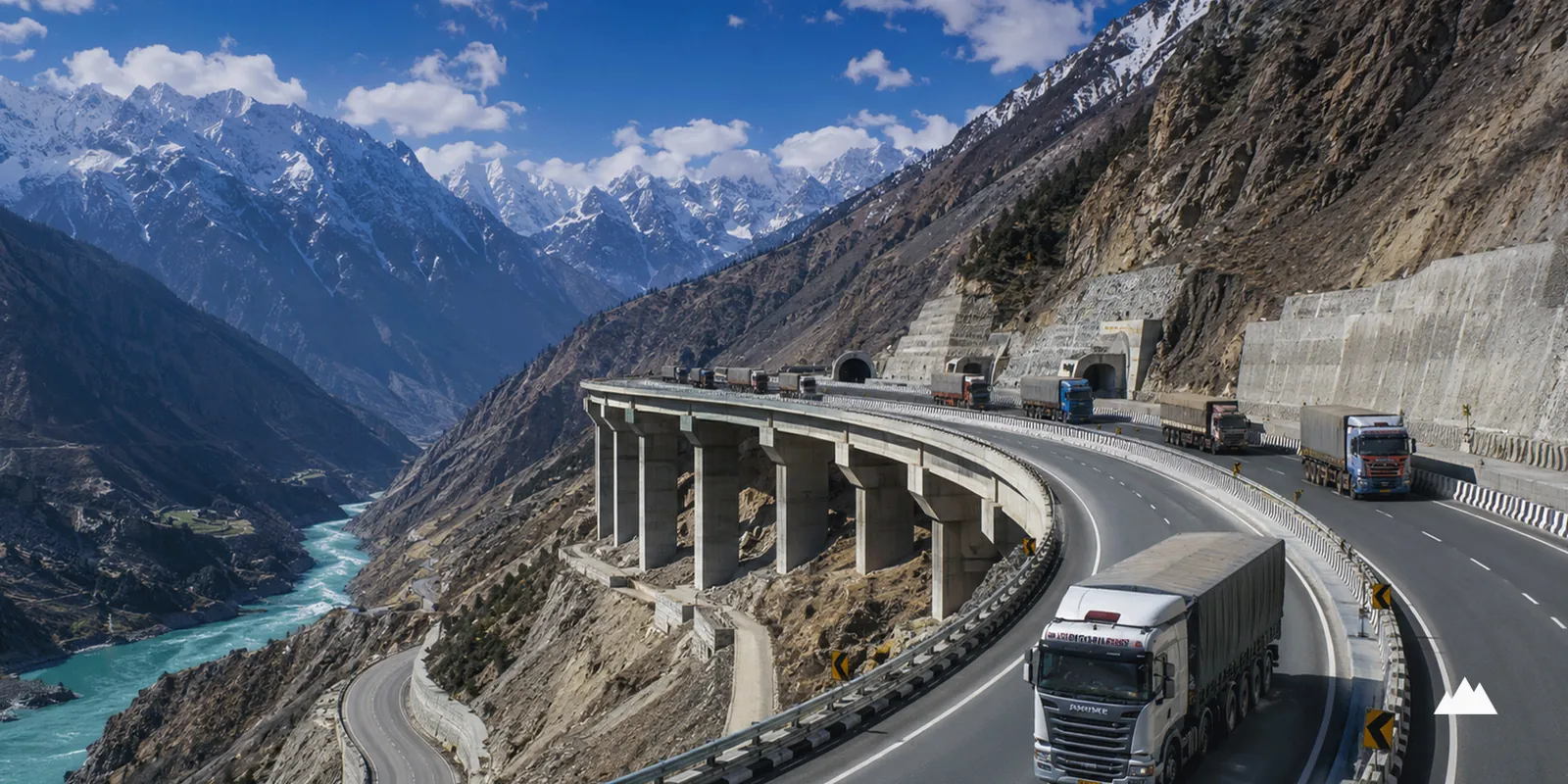
- Himalayan Connectivity Investment Gap
- Himalayan Hydropower Utilization
A year-round accountability mechanism, not a conference. Programme in development.
Learn more →