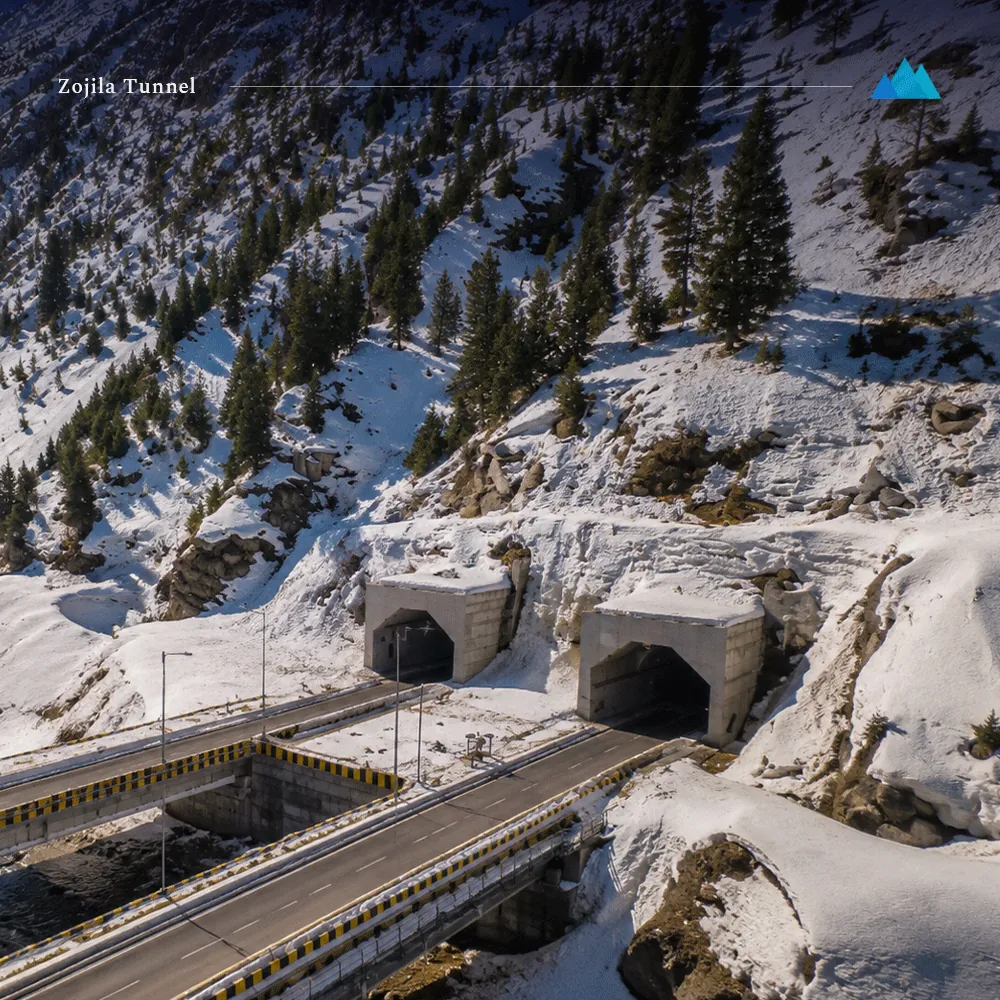

Himalayan Connectivity Investment Gap
Unfunded gap in Himalayan connectivity infrastructure
Update frequency: Reviewed quarterly, aligned to national budget cycles; republished when underlying source data changes.
Sources & methodology
Estimate — Modeled or derived by HEF from published inputs. Not an observed value.- Sources
- CSIS, Himalayan Connectivity Brief (2023) (no link on file)
- Asian Development Bank, Cross-Border Trade Corridors in South Asia (2024) (no link on file)
- Union Budget 2026-27, Government of India (no link on file)
- MoSPI Project Monitoring Flash Report (January 2026) (no link on file)
- Data as of
- Last verified
- · HEF Research Desk
- Methodology
- Gap defined as identified, strategically viable Himalayan rail, road, air, and power-transmission infrastructure requirements less committed public and private capital, in current USD. Widens year over year as new project pipelines (e.g. river-link and transmission corridors) are added faster than funding is committed.
- Caveat
- Committed capital is counted at announcement, not disbursement; the funded side of the gap is therefore an upper bound and the true deficit may be wider.
Think this is wrong? Submit a correction. HEF publishes corrections against the record.
Part of the Global Agenda
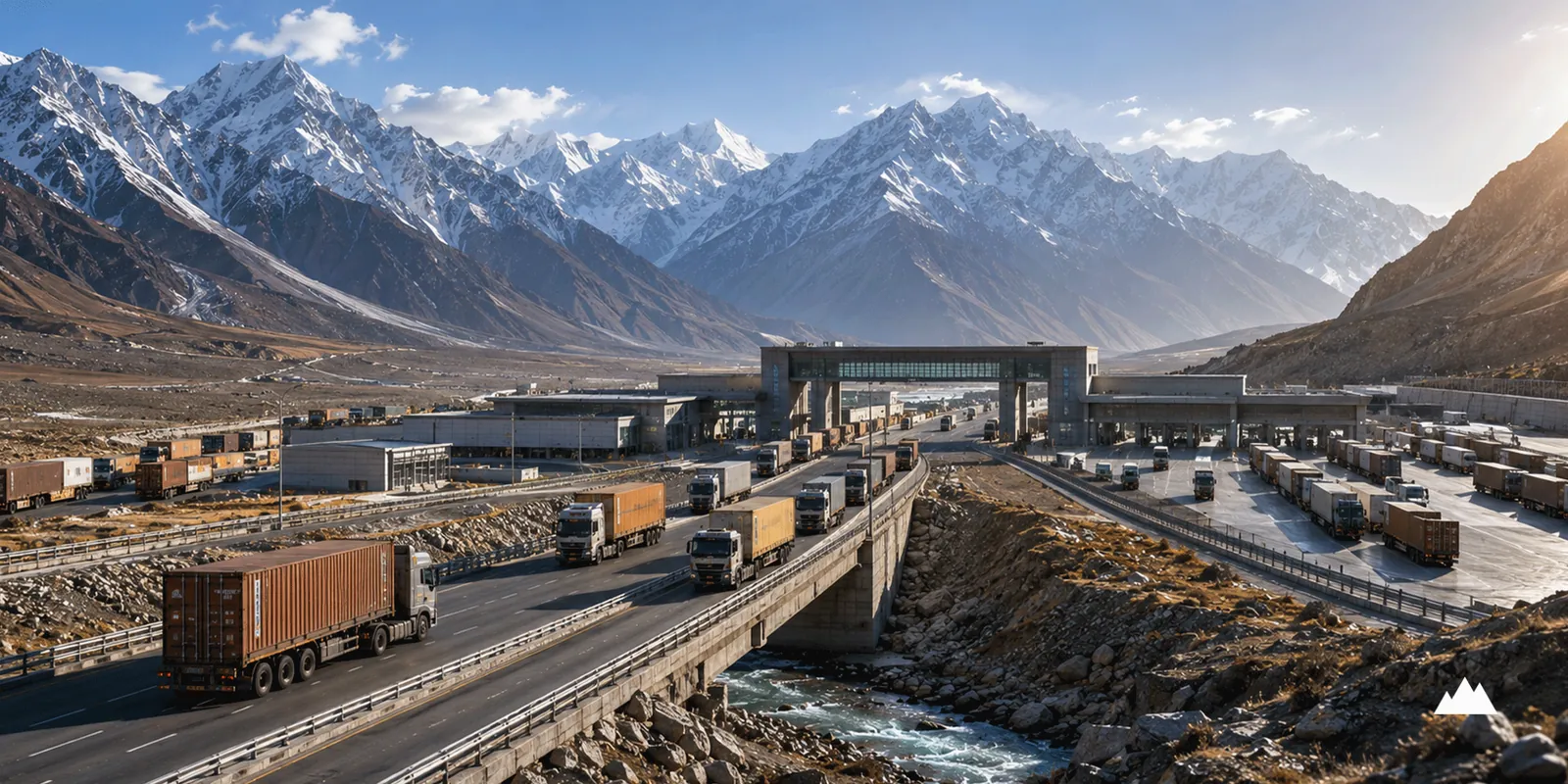
Trade and Corridors
$450B
Combined GDP of the Himalayan Region
Source: ICIMOD Hindu Kush Himalaya Assessment (2023); World Bank & IMF country data; IRENA; WTTC; CSIS Himalayan Connectivity Brief (2023); USGS (2024)Reported 8 August 2026source links pending
Latest Intelligence
Hidden Trillions of the Himalayan Economy
2 related projects in the Observatory
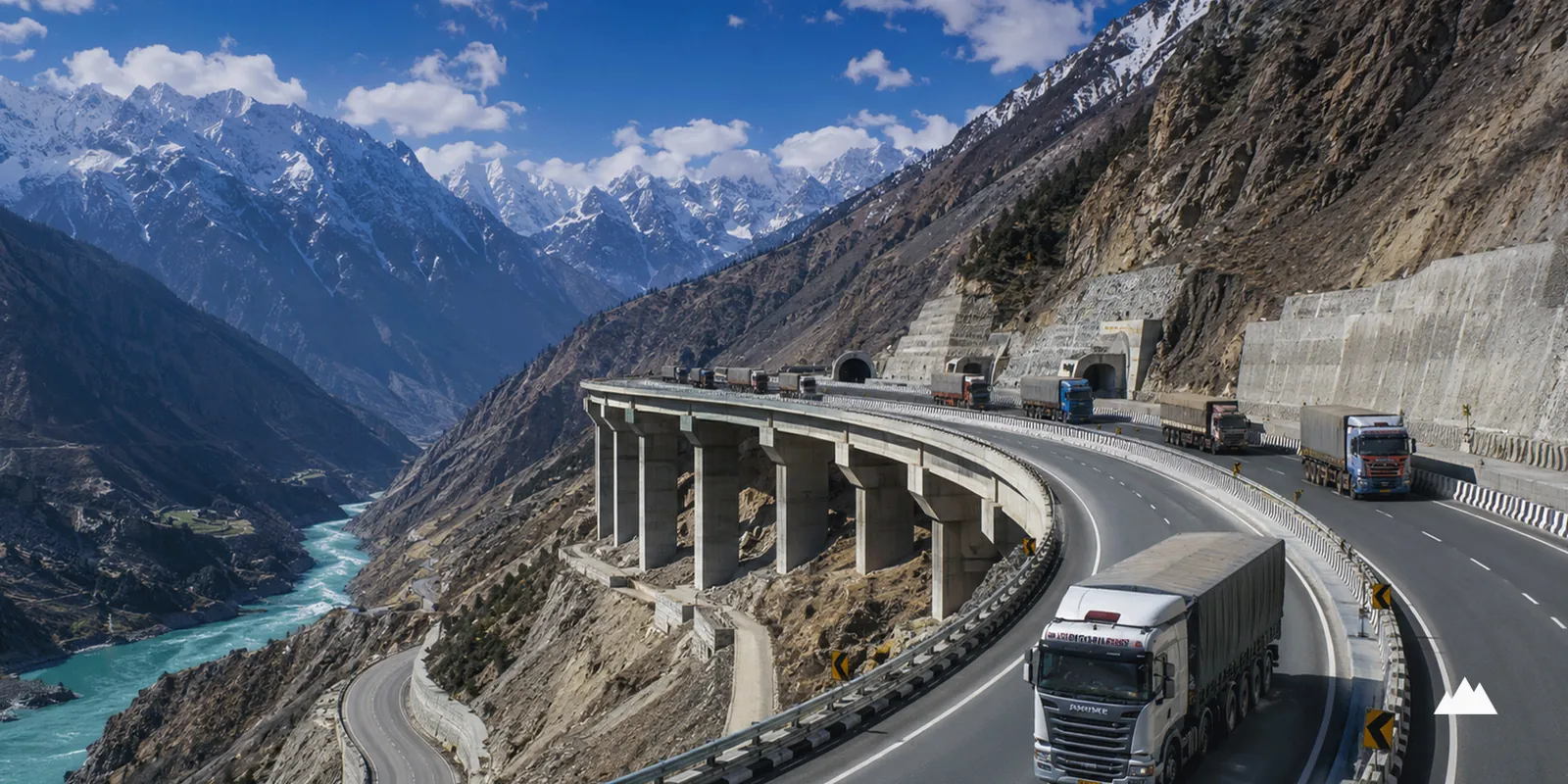
Infrastructure and Capital
$80B
Estimated unfunded Himalayan connectivity investment gap
Source: CSIS, Himalayan Connectivity Brief (2023); Asian Development Bank, Cross-Border Trade Corridors in South Asia (2024); Union Budget 2026-27, Government of India; MoSPI Project Monitoring Flash Report (January 2026)HEF estimate 8 August 2026source links pending
Latest Intelligence
The $80bn Himalayan Connectivity Deficit
4 related projects in the Observatory